
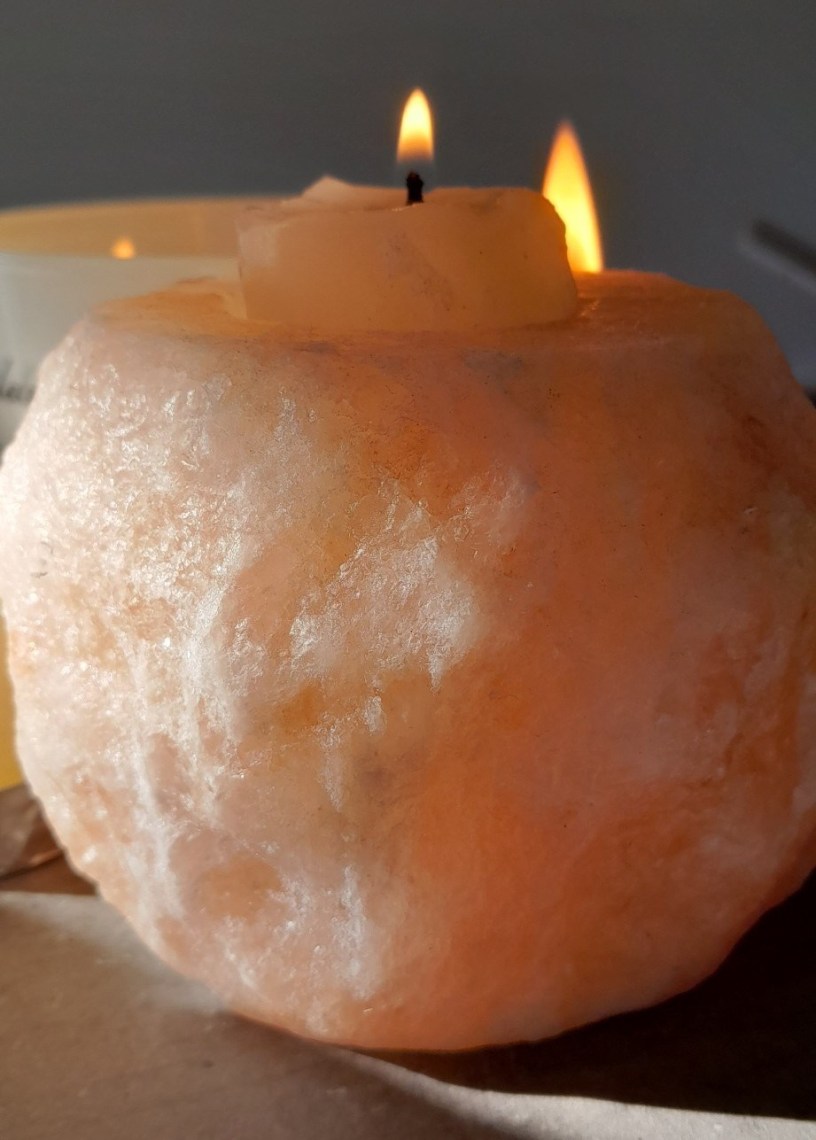
The following verse was partially considered during a group bible study of Mark, these occasions are a blessing that can be the commencement of further study and blessing:
For every one shall be salted with fire, and every sacrifice shall be salted with salt.
Mark 9:49
By employing the hermeneutic of comparing spiritual things with spiritual, the meaning of this verse can be confirmed. (1Corinthians 2:13 Which things also we speak, not in the words which man’s wisdom teaches, but which the Holy Ghost teaches; comparing spiritual things with spiritual)
Considering 2 types of fire in the New Testament:
- There’s the type which is the Eternal, Everlasting, Furnace or Unquenchable Fire which is representative of eternal suffering in a place where the blessings of God do not exist, blessings such as peace, contentment, happiness, joy, hope, comfort, fellowship and rest. This type is referred to in verses, including some such as Mark 9:43-48, Matthew 18:8, 13:42,50, 25:41, Jude 1:7. This place of suffering is also written of in Matthew 3:10&12 as being where those are thrown who don’t produce good fruit.
- There’s the type which is Fire as a means of purification from sinful words and actions: God purifies the saints as fire purifies silver and gold, keeping in mind that just as fire causes pain, the process of purification is likely to include discomfort as the desires of the flesh cry out, while it tries to keep a claw hold on governing your destiny against the will of the new man, but we have the help of God Who is greater.
- 1Corinthians 3:15 “If any man’s work shall be burned, he shall suffer loss: but he himself shall be saved; yet so as by fire.”
- Zec 13:9 “And I will bring the third part through the fire, and will refine them as silver is refined..”.
- 1 Peter 1:7 “That the trial of your faith, being much more precious than of gold that perishes, though it be tried with fire, might be found to praise and honour and glory at the appearing of Jesus Christ:”.
Then to consider aspects of Salt as types:
- The aspect of salts purification characteristic, is mentioned in 2Kings 2:21 where the prophet by the power of God used it to make water suitable for drinking: ‘Then he went to the spring of water and threw salt in it and said, “This is what the LORD says: ‘I have purified these waters. Neither death nor barrenness is to flow from them anymore.’”
- Salts personal purification aspect is referred to in the verse where we read: “For every one shall be salted with fire“. The words “every one” are translated from the Greek word pas, meaning some of all types, not to be confused with holos which is speaking of absolutely everyone. I believe this verse is speaking to saints only, every saint will be purified by His Word, this is in contrast to unbelievers who will be judged by His Word. Christ Jesus is the Word that became flesh, we’re purified through His Word by it clearly revealing and separating what is sin and what is right, all that is not of God is burnt off. Those who don’t submit to God may ask as Pilate did “What is truth“, but God’s children know what it is and its power: We’re told in John 17:17 “Sanctify them through your truth: your word is truth.“.
- Salt preserves: With the Word of God being read and meditated on daily, it’s dwelling in the children of God richly, so we’re preserved in Christly character. In this world where much of the daily news and events reveal corruption, and are nothing new or Holy under the sun, Jesus is Truth Who separates, reveals, convicts, judges, saves, purifies and preserves the saints forever, so Jesus, the Word in the Christian, is salt in this world, preaching His righteousness by the power of Holy Spirit, just as He did through Noah: (ref. 1 Peter 3:18-20).
- Then there’s salt in our offerings to God.
“every sacrifice shall be salted with salt“.
Everything that we present to God as praise, thanks, repentance or good works are a form of offering or sacrifice : take for example Revelation 8:3 “And another angel came and stood at the altar, having a golden censer; and there was given unto him much incense, that he should offer it with the prayers of all saints upon the golden altar which was before the throne.”: The metaphor of salt in the offerings speaks of recognition of Christ in our works and prayer, He is our righteousness, we’re enabled and accepted by The Father only in Him, there are no words or works of man’s compilation or efforts which can please God, or are of eternal value other than those which come through Christ, as we’re told in 1Peter 2:5 “you yourselves like living stones are being built up as a spiritual house, to be a holy priesthood, to offer spiritual sacrifices acceptable to God through Jesus Christ.”. It’s these words and works which are metaphorically spoken of as salt, they are representative again of Jesus who is Truth. So these offerings to God are presented as having been made pleasing, salted, purified, sanctified before God through Christ who is salt, the purifier, our righteousness:- 1Corinthians 1:30 And of him are you in Christ Jesus, who of God is made unto us wisdom, and righteousness, and sanctification, and redemption:
- Romans 12:1 I appeal to you therefore, brothers, by the mercies of God, to present your bodies as a living sacrifice, holy and acceptable to God, which is your spiritual worship.
- Hebrews 13:16 “Do not neglect to do good and to share what you have, for such sacrifices are pleasing to God..”
- An aspect of salt in healing was contributed here by a dear sister from Uganda:
“Salt helps in healing of wounds.
In this world, be it in our communities and everywhere, we get to know people who have been injured by the world. They’ve got so many wounds in their hearts! But we as the salt of the earth, we have to apply saline wash to their wounds through letting them know the good news of Christ Jesus, the healer, mender and the hope of all who believe in Him.”
We are the salt of the earth
Jesus can use us to flavor the world
He gets out His shaker, ’cause He’s the salt maker
We are the salt, the salt of the earth
Salt is a preservative
If you will use it, the freshness will live
If the salt lose its savor, then there’ll be no flavor
We are the salt, the salt of the earth
Salt makes pеople thirsty
People arе thirsting for more of the Lord
So sister and brother, pour salt on each other
You are the salt, the salt of the earth
Don’t be complaining ’bout the world and its faults
If you have Jesus, then you hold the salt
Just ask God to use you, and He will enthuse you
Then you’ll be passing the salt of the earth, yeah, yeahSalt makes people thirsty (Salt makes people thirsty)
Kelly Willard from the Album “Pass the Salt”
People are thirsting for more of the Lord (People are thirsting)
So sister and brother, pour salt on each other (Yeah)
You are the salt, the salt of the earth
A.P.Overton 12Apr25
The following excerpt is from “Bible Hub”, it explains the relationship of the Golden Alter to offerings of praise.
https://biblehub.com/topical/t/the_golden_altar.htm
Function and Ritual Use
The primary function of the Golden Altar was the burning of incense, a practice that symbolized the prayers of the people ascending to God. Exodus 30:7-8 specifies that Aaron, the high priest, was to burn fragrant incense on the altar every morning and evening when he tended the lamps. This perpetual incense offering was a vital part of the daily worship routine, signifying a continual act of devotion and intercession before the Lord.
The incense used was a specific blend, as commanded in Exodus 30:34-38, and was considered holy. Unauthorized use of this incense blend for personal purposes was strictly prohibited, underscoring its sacred nature.
Atonement and Purification
Once a year, on the Day of Atonement, the high priest was required to make atonement for the altar by applying the blood of the sin offering to its horns (Exodus 30:10). This act of purification was necessary to cleanse the altar from the impurities of the Israelites, maintaining its sanctity and ensuring that it remained a fitting place for the offering of incense.
Symbolism and Theological Significance
The Golden Altar holds deep symbolic meaning within the biblical narrative. The rising smoke of the incense represents the prayers of the faithful, as seen in Psalm 141:2, “May my prayer be set before You like incense, my uplifted hands like the evening offering.” This imagery is further echoed in the New Testament, where the prayers of the saints are depicted as incense before God (Revelation 5:8, 8:3-4).
The location of the altar, just outside the Most Holy Place, signifies the closeness of the worshiper to the divine presence, yet also the separation that existed before the coming of Christ. The veil that stood between the altar and the Ark of the Covenant was torn at the crucifixion of Jesus (Matthew 27:51), symbolizing the new access to God made possible through His sacrifice.
Historical and Cultural Context
In the broader cultural context of the ancient Near East, incense was commonly used in religious rituals. However, the specific instructions and restrictions given to the Israelites set their worship apart, emphasizing the holiness and distinctiveness of their relationship with Yahweh.
The Golden Altar, therefore, serves as a profound reminder of the importance of prayer, the holiness of God, and the intercessory role of the priesthood, all of which find their ultimate fulfillment in the person and work of Jesus Christ, our great High Priest.
 Study like a Berean!